

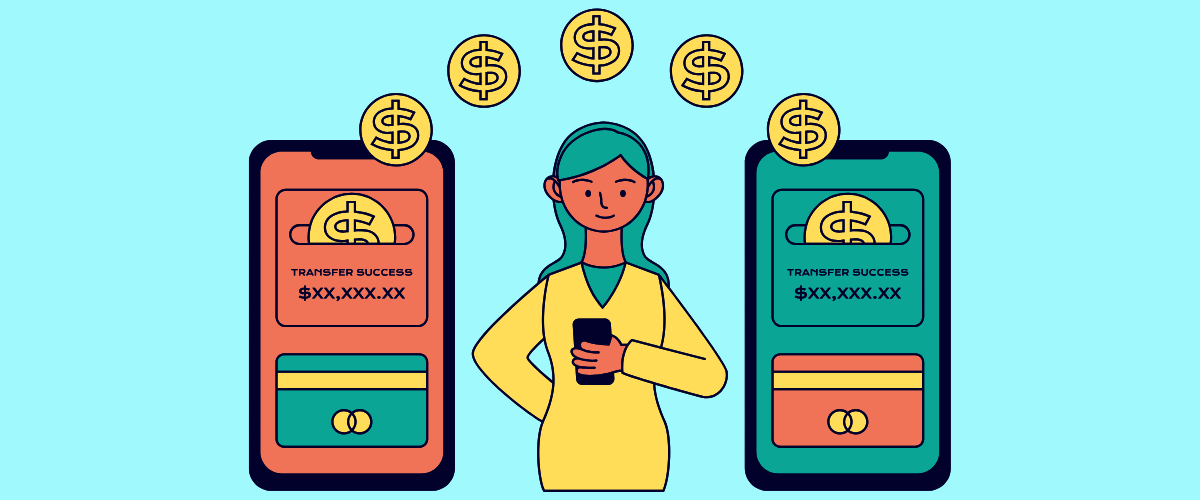
Imagine this: You share your phone number with someone, and a few hours later, you receive a suspicious call from a person claiming to be a bank employee. They know your name, mention your bank, and tell you that your account needs urgent verification.
You start wondering: Can someone empty your bank account with just your phone number?
With the growing popularity of UPI, mobile banking, and digital payments in India, this is a question many people have. Your phone number is connected to several services, including banking accounts, payment apps, and social-media profiles. That makes it important to understand what someone can and cannot do with it.
— COMPLETE 1 STEP TO GET YOUR PROMPT —
——– SCROLL DOWN AND GET YOUR LINK ———
The good news is that knowing your phone number alone generally isn’t enough to directly empty your bank account. However, scammers may use your number as a starting point for fraud, social engineering, and attempts to gain access to your financial information.
Let’s understand the risks and the simple steps you can take to protect your money.
Can Someone Steal Your Money Using Only Your Phone Number?
In most cases, a phone number alone does not provide direct authorization to withdraw money from your bank account.
Banking transactions generally require additional authentication or authorization, depending on the payment method. For example, certain UPI payments require a UPI PIN, while other banking services may use passwords, OTPs, or additional security checks.
However, scammers don’t always need to technically hack your bank account. They may try to trick you into giving them access or authorizing a transaction yourself.
This is known as social engineering.
A scammer might use your phone number to contact you, impersonate a bank representative, or create a sense of urgency. If you share confidential information or approve a fraudulent payment, your money could be at risk.
1. Fake Bank Calls Can Turn Into Financial Scams
One of the most common risks associated with phone numbers is fraudulent customer support or bank-related calls.
Imagine receiving a call like this:
“Hello, we’re calling from your bank. Your account KYC is incomplete. If you don’t verify it today, your account may be blocked.”
The caller might ask you to share an OTP, install an application, or visit a suspicious website.
These requests should raise immediate concerns.
Legitimate banking support should not require you to reveal your UPI PIN, ATM PIN, or banking password. Never disclose confidential authentication details to an unexpected caller.
How to protect yourself
- Don’t trust callers just because they know your name or bank.
- Avoid clicking links sent by unknown callers.
- Use the official bank app or website to contact customer support.
- Never share your UPI PIN or OTP with anyone.
2. Can Someone Access Your UPI Account With Your Phone Number?
Your phone number may be linked to your UPI ID or bank account. Depending on the payment app and the information available, someone might be able to identify you as a potential payment recipient or send a payment request.
But knowing your UPI ID or phone number does not automatically give someone permission to withdraw money from your bank account.
The risk increases when a scammer convinces you to approve a payment, share confidential credentials, or take another unsafe action.
For example, a scammer may send a payment request and claim that accepting it will give you a refund. If you approve a transaction without checking its details, you could authorize a payment you didn’t intend to make.
Remember this rule
Receiving money and sending money are different actions. Carefully read the payment screen before entering your UPI PIN.
3. SIM Swap Fraud: When Your Phone Number Is Hijacked
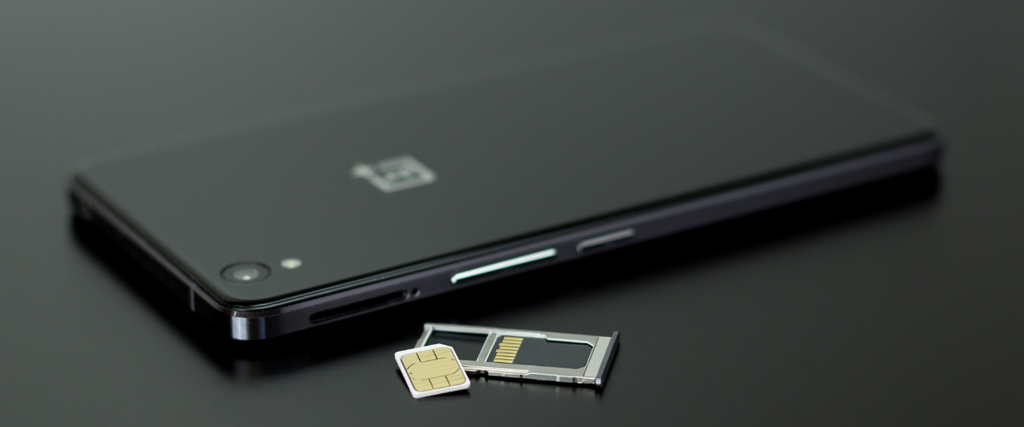
A more serious risk involves SIM swap fraud, sometimes called SIM replacement fraud.
In this type of scam, a criminal attempts to persuade a telecom provider to transfer your phone number to a SIM card they control. If successful, the criminal may receive calls and SMS messages intended for you.
The potential danger depends on what other information or account access the criminal has. A phone number takeover alone does not guarantee access to your bank account, but it can weaken one of the security layers used for certain accounts.
Warning signs of a possible SIM-related issue
- Your phone suddenly loses mobile network service without an obvious reason.
- You unexpectedly stop receiving calls or SMS messages.
- You receive telecom notifications about a SIM replacement you didn’t request.
- Your bank or payment services show unusual activity.
If you suspect your SIM has been compromised, contact your mobile operator through an official channel and contact your bank promptly.
4. Scammers Can Use Your Number to Build a Bigger Fraud
Your phone number may be used to search for publicly available information or to contact you through different channels.
For example, someone might use your number to:
- Send phishing links.
- Make fake customer-care calls.
- Pretend to be a delivery company or bank.
- Attempt to collect personal information.
- Pressure you into making a payment.
- Send fraudulent investment or cashback offers.
The phone number itself is not necessarily the source of the theft. Instead, it can become one part of a larger scam.
This is why you should be careful about the information you share during unexpected calls and messages.
5. What If Someone Knows Your Phone Number and Name?
Knowing your name and phone number may make a scammer sound more convincing, but it doesn’t automatically give them access to your bank account.
A scammer might say:
“We already know your details. Just tell us the OTP to complete verification.”
Don’t let this create panic.
Your personal information may have been obtained from multiple sources, and a caller’s knowledge of basic details doesn’t prove that they work for your bank.
——– SCROLL DOWN AND GET YOUR LINK ———
Never share confidential authentication information simply because someone knows your name, phone number, or bank.
If a caller claims to represent your bank, end the call and independently contact the bank using an official number.
6. What Should You Do If You Suspect a Bank Scam?
If you believe someone is trying to access your bank account or you have already made a suspicious payment, take action quickly.
Step 1: Contact your bank
Use the official bank app, website, or verified customer-support number. Explain what happened and ask about the appropriate steps to secure your account.
Step 2: Report suspicious transactions
If money has been transferred without your authorization, report the transaction to your bank immediately. Keep the transaction ID, date, amount, and relevant screenshots.
Step 3: Report suspected cybercrime in India
You can report suspected financial cybercrime through India’s National Cyber Crime Reporting Portal. The official helpline for reporting financial cybercrime is 1930.
The sooner you report a suspected fraud, the sooner the relevant institutions can begin their response. Recovery is not guaranteed, so don’t delay.
Step 4: Secure your accounts
If you have shared credentials or suspect unauthorized access, follow your bank’s security guidance. Change compromised passwords, review account activity, and contact your telecom provider if you suspect SIM-related fraud.
7. How to Protect Your Bank Account From Phone Number Scams
You don’t need to stop using digital payments. Instead, build a few safe habits.
Never share confidential banking details: Your UPI PIN, OTP, ATM PIN, and passwords should remain private.
Verify unexpected requests: Don’t approve payments or click links simply because someone says they’re from a bank or company.
Keep your phone secure: Use a screen lock, update your operating system, and install apps only from trusted sources.
Check account activity: Review bank notifications and transaction history for unfamiliar activity.
Be cautious with public information: Avoid sharing unnecessary personal details publicly, especially when they could be combined with other information.
Final Thoughts
So, can someone empty your bank account with just your phone number?
Generally, a phone number alone is not enough to authorize withdrawals or directly empty your bank account. However, scammers can use phone numbers as part of phishing, impersonation, SIM-related fraud, and other attacks designed to gain access or trick you into approving transactions.
The most important protection is awareness.
Don’t share your UPI PIN or OTP. Don’t trust unexpected bank calls. Don’t approve payment requests without checking them. And if you suspect financial fraud, contact your bank and report the incident as quickly as possible.
Your phone number may be public, but your banking credentials and transaction approvals should remain under your control.
Frequently Asked Questions (FAQs)
1. Can someone withdraw money from my bank account using only my phone number?
Generally, no. A phone number alone does not normally provide authorization to withdraw money from your bank account. However, scammers may use it to attempt phishing, impersonation, or other fraudulent activities.
2. Can someone hack my UPI account with my phone number?
Knowing your phone number alone does not automatically give someone access to your UPI account. However, scammers may try to trick you into sharing confidential information or authorizing fraudulent transactions.
3. Can someone steal money if they know my UPI ID?
A UPI ID alone generally does not authorize someone to withdraw money from your bank account. Be cautious of unexpected payment requests and never share your UPI PIN.
4. What should I do if a scammer knows my phone number and bank name?
Don’t share OTPs, UPI PINs, or passwords. End the suspicious conversation, contact your bank through an official channel, and monitor your account for unusual activity.
5. Can someone access my bank account through a SIM swap?
SIM swap fraud can allow a criminal to control your phone number if the fraudulent transfer succeeds. This may expose SMS-based authentication, but it does not automatically guarantee access to your bank account.
6. Can I report a UPI scam in India?
Yes. Contact your bank immediately and report suspected financial cybercrime through the National Cyber Crime Reporting Portal or by calling 1930.
7. Should I share my OTP with bank customer care?
No. Do not share OTPs, UPI PINs, or other confidential authentication details with unexpected callers claiming to be bank representatives.
8. How do I keep my bank account safe from phone number scams?
Protect your banking credentials, verify unexpected calls and payment requests, secure your SIM and phone, monitor transactions, and report suspicious activity promptly.